Top 10 Myths About Childhood Cancer — Busted by Pediatric Oncologists
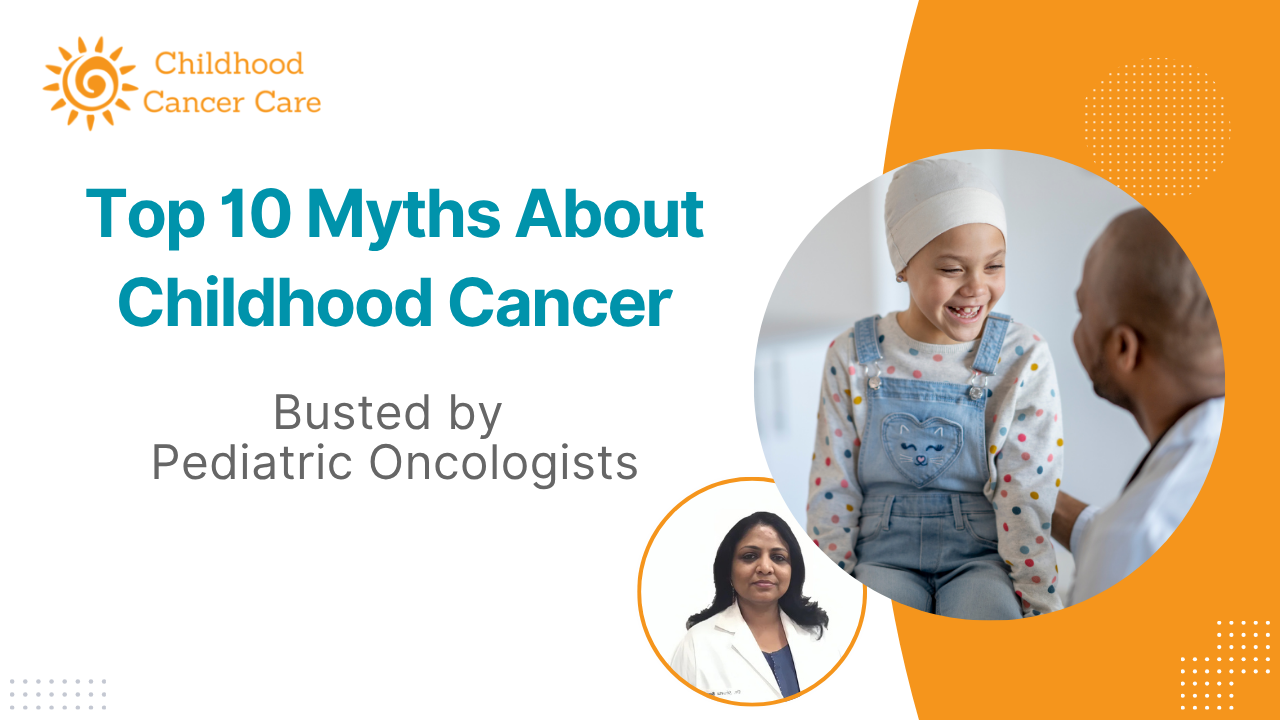
Childhood cancer is a daunting diagnosis for any family, often surrounded by fear and uncertainty. Unfortunately, many myths and misconceptions about childhood cancer persist, adding to the confusion. As pediatric oncologists, we understand the importance of separating fact from fiction to ensure families have the right information when facing this challenging journey. In this blog, we’ll tackle the top 10 myths about childhood cancer and set the record straight with expert insights from pediatric oncologists. By debunking these myths, we aim to provide clarity and support for parents, caregivers, and anyone affected by childhood cancer.
Myth 1: Childhood Cancer Is Rare
Fact: Childhood cancer is more common than you might think. While it accounts for only 1% of all cancers diagnosed annually, approximately 16,000 children are diagnosed with cancer in the United States alone each year. With early detection and advanced childhood cancer treatment options, many of these children go on to live long, healthy lives.
Myth 2: Childhood Cancer Is Always a Death Sentence
Fact: The survival rate for childhood cancer has dramatically improved over the past few decades. Today, the overall survival rate for children diagnosed with cancer is about 80%. Early detection, advanced treatments, and clinical trials have significantly increased the chances of recovery. Advances in pediatric cancer care, such as targeted therapies and immunotherapy, also contribute to better outcomes.
Myth 3: Childhood Cancer Is Caused by Vaccines
Fact: There is no scientific evidence linking childhood vaccines to cancer. Vaccines, like the HPV vaccine, can actually help prevent certain cancers, such as cervical cancer. Pediatric oncologists recommend vaccines as part of a healthy prevention strategy for children, and they play an essential role in reducing the risk of cancer in the long run.
Myth 4: Children with Cancer Have a Low Quality of Life
Fact: Many children who undergo cancer treatment go on to live happy, fulfilling lives. Advances in treatment and supportive care for childhood cancer have helped manage side effects, and many children resume normal activities after treatment. Psychological support, including therapy and support groups, also plays a vital role in improving the quality of life for pediatric cancer patients.
Myth 5: If There Is No Family History, a Child Can’t Get Cancer
Fact: While a family history of cancer can increase the risk for certain types of cancer, most cases of childhood cancer occur without any family history. Genetic mutations, environmental factors, and random cell mutations are often the cause of childhood cancers. Understanding the risk factors and causes of pediatric cancer is crucial for early detection and treatment.
Myth 6: Childhood Cancer Treatment Is Always Painful
Fact: While some cancer treatments can be uncomfortable, modern techniques have greatly reduced pain and side effects associated with childhood cancer treatment. Treatments such as chemotherapy, radiation, and surgery are often combined with pain management strategies to ensure children are as comfortable as possible during their pediatric cancer journey.
Myth 7: All Childhood Cancers Are Treated the Same Way
Fact: Childhood cancers vary widely in their type and treatment. A leukemia diagnosis will require different treatment than a brain tumor, and each treatment plan is personalized to the child's specific needs. Pediatric oncologists work closely with families to create the best treatment plan for each child, considering factors such as cancer type, stage, and overall health.
Myth 8: Children Can’t Get Cancer from Environmental Factors
Fact: While cancer in children is rarely linked to environmental factors like pollution or toxins, there is emerging research that suggests some environmental exposures could increase the risk of developing cancer. However, lifestyle factors like smoking or sun exposure are more relevant in adulthood when it comes to cancer prevention.
Myth 9: Children with Cancer Are Too Young to Understand Their Diagnosis
Fact: Children, even at a young age, can understand a lot more than we give them credit for. Pediatric oncologists and psychologists work together to help children understand their diagnosis and treatment, using age-appropriate language and support systems to ensure emotional well-being throughout the pediatric cancer process.
Myth 10: There’s No Hope for Children with Advanced Cancer
Fact: Even with advanced cancer, many children benefit from treatment options such as clinical trials, targeted therapies, and immunotherapy. Pediatric oncologists continuously explore innovative therapies to provide hope for children facing advanced stages of cancer. These treatments, along with the support of their families, help provide a fighting chance for recovery.
Conclusion
Cancer is a difficult journey for children and their families, but it’s essential to debunk the myths and misunderstandings surrounding childhood cancer. With accurate information and access to advanced treatments, children diagnosed with cancer can receive the care and support they need to thrive. As pediatric oncologists, we’re here to guide families through every step of the process, from diagnosis to recovery. By understanding the facts, you can support your child with the right knowledge, hope, and strength.
If you're seeking expert care for pediatric cancers, hematological disorders, or bone marrow transplants, Dr. Shweta Bansal is a highly skilled pediatric oncologist with years of experience in treating children with cancer. With her compassionate approach and extensive knowledge, Dr. Bansal offers cutting-edge treatment options tailored to each child's unique needs. Whether you're dealing with leukemia, brain tumors, or other complex pediatric conditions, Dr. Bansal provides comprehensive care every step of the way. Schedule a consultation today and trust Dr. Bansal's expertise to guide your child through their treatment journey.
Copyright © Childhood Cancer Care | Dr. Shweta Bansal.